
A Farm as Framework
The Morrow Farm at Bucknell University
Grown across disciplines. Grounded in generosity.
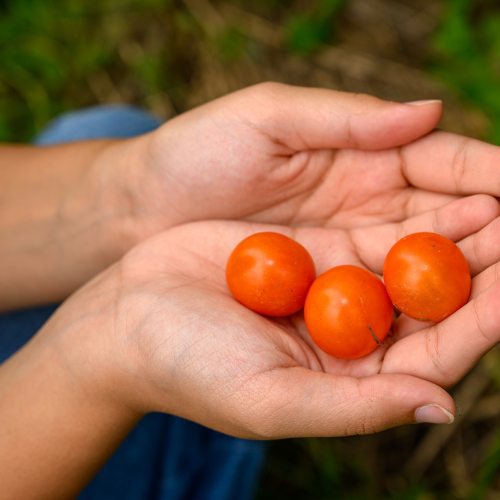
The Morrow Farm at Bucknell University is a 5-acre hub for regenerative agriculture and hands-on learning — and model for what strategic investment in experiential education looks like when it's done with intention.
More than an amenity, the farm is where students and faculty break down disciplinary boundaries.
- Chemistry students analyze the nutrient composition of crops they helped grow.
- Engineering students employ biomimicry in design, using nature as their guide.
- Humanities students study and institute ethical farming methods, examine indigenous practices and craft narratives influenced by nature.
The farm — which has been donor supported since its opening in 2018 — is entering a new chapter thanks to a transformative new gift from Bill '70 and Madeline Morrow. Their gift supports new infrastructure, including a permanent teaching kitchen and classroom that will expand capacity, enable year-round engagement and bring the farm's food production to Bucknell's own dining program.
 |
|
Shaping the interdisciplinary landscape
Morrow Farm & Engineering
Senior design engineers got their hands dirty building a human-powered harvester to reduce the physical toll of farm labor. In doing so, they helped the farm grow more of the green beans local food pantries need most.
Morrow Farm & English
During a visit to Professor Ted Hamilton's English class, a local Haudenosaunee chef shared his struggle to source the beans his ancestors grew. Students took action. The farm now cultivates them — and they're served in the chef's indigenous menu.
Morrow Farm & Biology
Before measuring soil respiration in the lab, intro biology students visit the farm to learn what soil truly is — its microbiome, carbon sequestration, nitrogen fixation and health variability. Then they apply that knowledge to compare soil health across campus.
 |
|

Rooted in practice. Led by students.
Leadership
Student farmers and apprentices manage teams, lead public tours, facilitate volunteer groups and contribute to daily operations. In doing so, they build confidence, communication skills and the ability to navigate ambiguity — capacities that translate across any field.
The influence this has on outcomes is notable. Alumni lead careers in sustainable agriculture and environmental education, pursue medicine with a deeper understanding of food and health, and identify pathways into mission-driven organizations and industries.
Just as important are the less quantifiable shifts: students leave Bucknell more self-assured, more collaborative and more prepared. And they leave knowing why leadership matters.
 |
|

Harvested here. Shared with the community.
Community
Beyond campus, the impact continues. Through the Lewisburg Community Garden, food grown on Bucknell land supports local households and food pantries, while community members join in harvests, seasonal festivals and ongoing collaboration.
From everyday moments to large-scale gatherings, the farm strengthens Bucknell’s role as an engaged neighbor — rooted in care, connection and contribution.
 |
|

A Framework Others Can Build From
The Morrow Farm's impact grows from the thoughtful choices that shape its purpose:
- – Treating experiential learning as essential, not supplemental
- – Aligning donor investment with academic priorities
- – Creating real leadership roles for students
- – Designing initiatives for both campus and community impact
These are choices any institution can make.
For colleges and universities seeking to deepen engagement, strengthen outcomes and demonstrate relevance, the Morrow Farm offers more than a story. It offers a model.