Bucknell's Hiram Smith Explores the Hidden History of the Controversial N-word in New Book
August 14, 2026
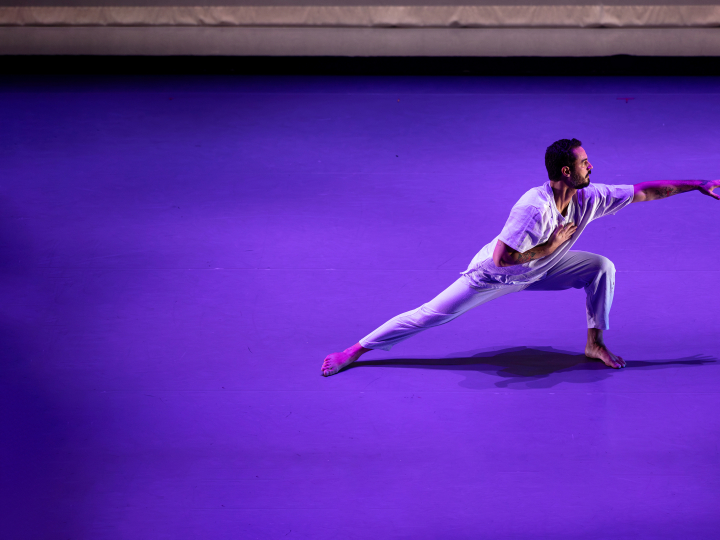
For Professor Hiram Smith, Spanish, sociolinguistics and historical linguistics play a crucial role in navigating the historical effects of prejudice and discrimination. Photo by Emily Lamparter, Marketing & Communications
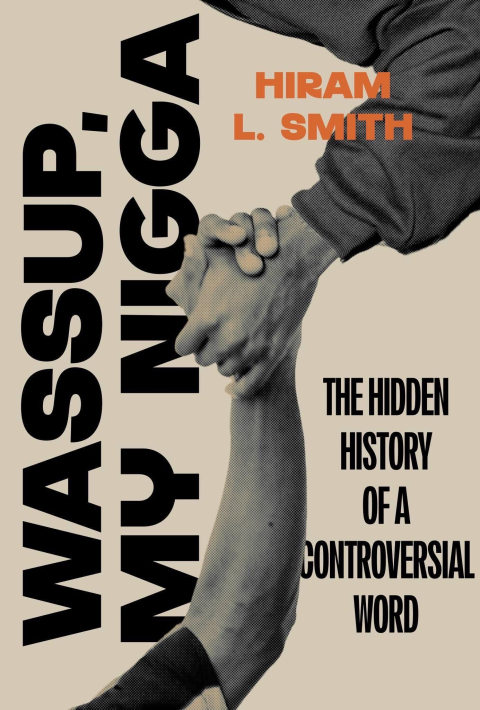
Cover image courtesy of Georgetown University Press
Few words in American English can stop a conversation — or ignite one — quite like the word at the center of Bucknell University Professor Hiram L. Smith's new book, Wassup, My Nigga: The Hidden History of a Controversial Word. It appears in music and everyday conversation, carries echoes of slavery and segregation, can signal camaraderie, and continues to provoke fierce debate over who can say it, what it means and whether its meaning has changed over time.
For Smith, the Ruth Everett Sierzega Chair in Linguistics and associate professor of Spanish, those debates raise a different question: What does the linguistic and historical evidence actually tell us about how, and for how long, "nigga" has been used in African American communities?
That question drives the book, forthcoming Sept. 1 from Georgetown University Press and now available for preorder. According to Georgetown University Press, the book is the first one written by an African American linguist to trace the origins, history and usage of "nigga," drawing on evidence that stretches from accounts of formerly enslaved people to contemporary social media.
"As a linguist, this is what we do," Smith says. "We don't censor — or endorse — language use; our job is to describe it."
Smith, who previously published the first historical study of the n-word in 2019, draws on sources ranging from 19th-century accounts and recordings of formerly enslaved people to contemporary social media.
"I go all the way back to slavery times. I have documentation," Smith says. "I compare historical usage with modern-day examples."
Among the evidence Smith examines are more than 2,300 interviews with formerly enslaved people conducted through the Federal Writers' Project during the 1930s and 1940s, along with surviving audio recordings. Smith says those materials provide a rare window into earlier African American speech and complicate the common belief that contemporary Black speakers — particularly through hip-hop — have recently transformed or reclaimed the word.
His research found thousands of instances of the word in the interviews, including historical usages similar to those heard today. That evidence, Smith says, is essential for understanding its history rather than assuming its contemporary meanings and pronunciation are recent innovations.
"There are rules that govern language use, and the same thing applies to the word 'nigga,'" Smith says. "There is also a historical context that explains its use in African American speech communities. Not having this context has produced lots of miscommunication and misunderstandings."
The book also considers a broader question at the center of Smith's scholarship: who gets to explain African American English, particularly its most controversial features?
"There are aspects of African American English not available to others unless they're embedded in the culture," Smith says. For this subject, he adds, firsthand cultural knowledge and rigorous linguistic scholarship work together: "I already have the cultural knowledge, but I also need to apply the tools of linguistics. It's a one-two punch. That's where I'm coming from."
Smith says public discussions of the word frequently rely on celebrities and cultural commentators rather than scholars with expertise in African American language. His book seeks to move that conversation toward evidence.
"So many misbegotten conversations happen about the n-word," he says. "So, I said, 'Let's just roll up our sleeves and see what this word means.'"
Written for a general audience but grounded in linguistic scholarship, Wassup, My Nigga does not attempt to prescribe who should or should not use the word. Instead, Smith hopes readers will come away better equipped to understand its history, meanings and place within African American English.
"You can make that decision yourself a little more informed and a little more historical," he says. "People can continue having those discussions about who can use it and who can't, but hopefully they'll be more evidence-based."
Smith will participate in the following book-related events on or near the University this fall:
- Saturday, Sept. 5, 1-3 p.m., Barnes & Noble at Bucknell University (Community Room), 400 Market St., Lewisburg, Pa.
- Tuesday, Sept. 8, 4:30–6:30 p.m., University Colloquium, Bucknell University, location TBD
- Thursday, Sept. 10, 6:30–8 p.m., The Otto Bookstore, 107 W 4th St, Williamsport, Pa.
- Wednesday, Oct. 7, 4:30–6 p.m., Book launch with the Griot Institute for the Study of Black Lives & Cultures, Walls Lounge, Elaine Langone Center, Bucknell University